01 · NOTICE
Look before naming a solution.
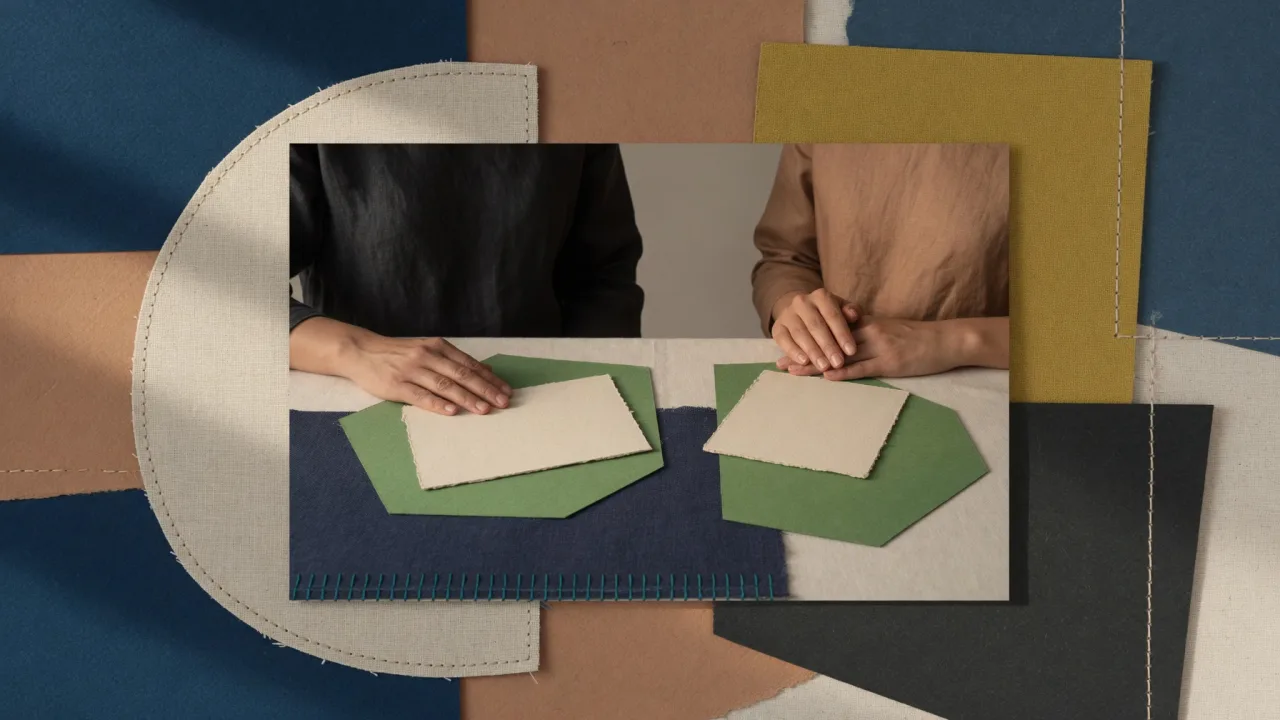
Eight cards examine arrival, places to pause, wayfinding, rhythm, sound, shared tools, time signals, and welcome. Every card separates observation from judgment and includes a privacy boundary.
The app does not use a conventional bottom navigation bar. Its starting table is made of irregular paper patches; each opens a distinct offline interaction.
Eight cards examine arrival, places to pause, wayfinding, rhythm, sound, shared tools, time signals, and welcome. Every card separates observation from judgment and includes a privacy boundary.
Eight prompts cover open questions, moments, meaning checks, participation choice, differing views, needs, closing the loop, and thanks. Passing is always valid.
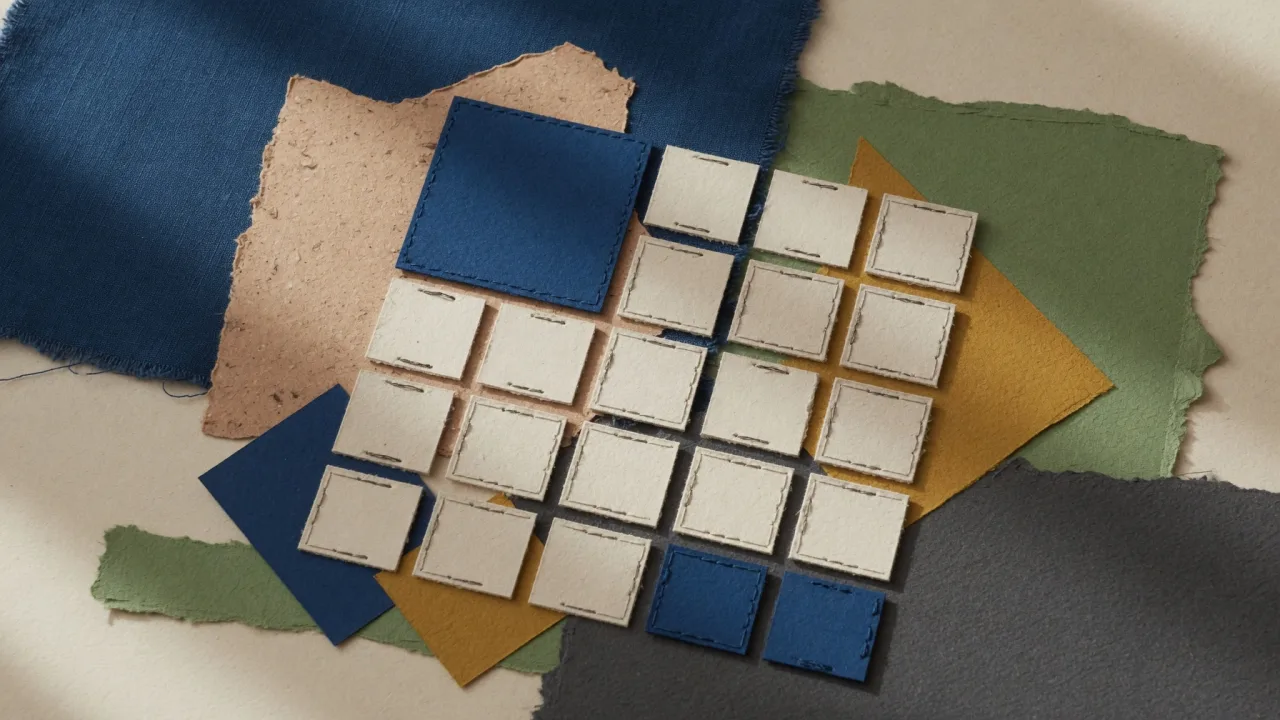
Drag or tap Observation, People, Limit, and Step onto a working cloth. Only token IDs may be stored locally; the workbench has no field for names, notes, or case details.

Twelve actions take 10–30 minutes and end with an observable finish line. Filter by time, check preset completions, and reset them from the Index.

Arrival, purpose, a round with a pass, difference, constraints, smallest test, permission, and closing are offered as optional facilitation cues—not an official procedure.
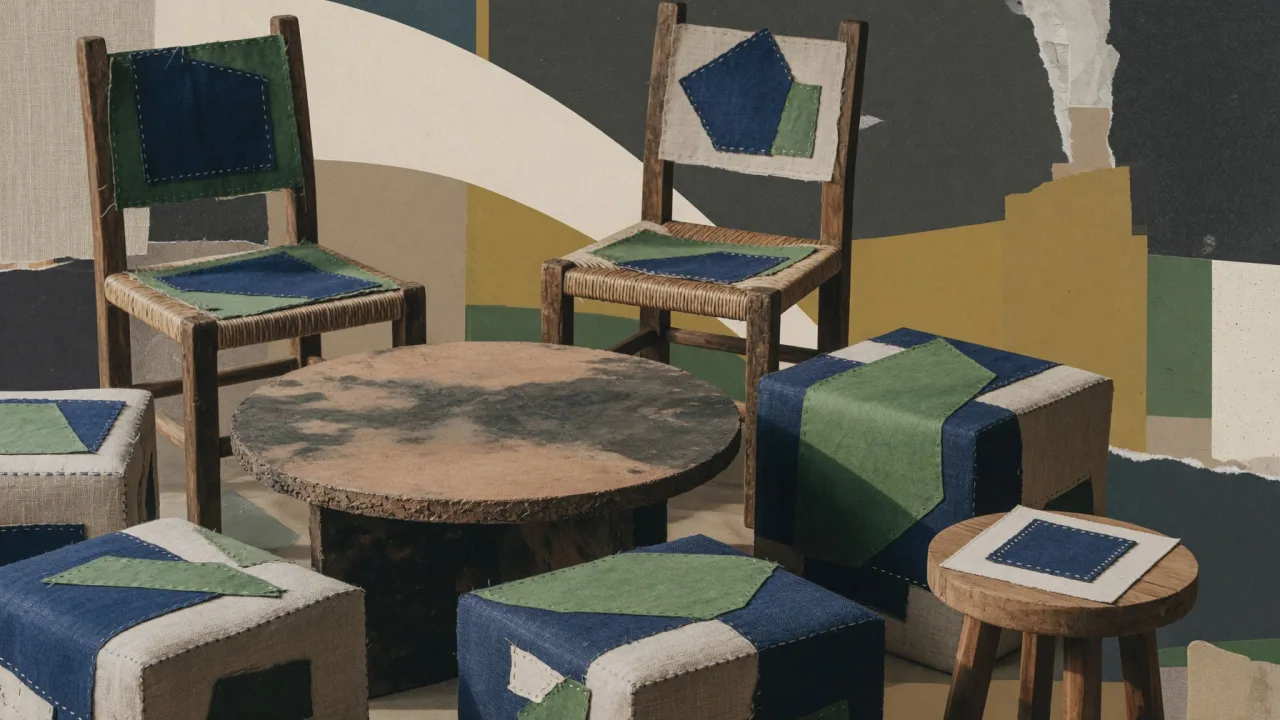
Choice, plain first instructions, pace, access in practice, privacy, permission, and safety boundaries help facilitators prepare thoughtfully without claiming an accessibility certification.
The app uses a cohesive supplied AI-image set across its board, 24 cards, 12 steps, meeting kit, inclusion, safety, sources, privacy, and About. Store listing should truthfully label AI-generated assets where Play Console requests it.